
Immigration Refusal in Canada: How Judicial Review Works
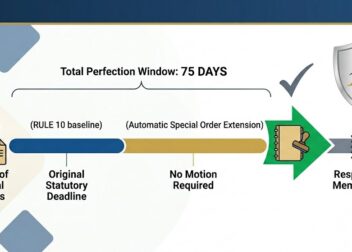
When an immigration application is refused, the next question is often whether that decision can be challenged in Federal Court. In many cases, the answer is yes—but the process is technical, deadline-driven, and often misunderstood. Ahlawat Law PC assists clients with applications for leave and judicial review in the Federal Court of Canada. One important procedural development in 2026 is the Federal Court’s current approach to the timeline for filing the Applicant’s Record, often referred to as the “75-day rule.” This article explains what the 75-day rule means, how the judicial review process works, and what applicants can generally expect. What Is Federal Court Judicial Review? Judicial review is the process by which the Federal Court examines whether an immigration decision was made lawfully, fairly, and reasonably. It is important to understand what judicial review is not: Instead, the Court reviews the decision-making process and the reasons given by the officer, tribunal, or decision-maker. The Court typically considers issues such as: In most immigration matters, the applicable standard of review is reasonableness. The First Thing to Know: There Are Two Separate Deadlines One of the most common sources of confusion is the assumption that there is only one Federal Court deadline. In reality, there are two different timelines. 1. Deadline to Start the Case This is the deadline to file the Notice of Application. Under section 72 of the Immigration and Refugee Protection Act, the time limit remains: These deadlines remain strict and are extremely important. 2. Deadline to File the Applicant’s Record Once the case has been started, the next major step is filing the Applicant’s Record. This is the package of materials that sets out the applicant’s case before the Court. This is where the current 75-day rule becomes relevant. What Is the “75-Day Rule”? Although the governing Rule refers to a 30-day period for filing the Applicant’s Record, the Federal Court’s current practice gives applicants an automatic additional 45 days in many immigration judicial review matters. As a practical matter, this means that the Applicant’s Record may often be filed within 75 days of receiving the written reasons for the decision. This extension generally applies automatically within that period. In most cases: provided the Applicant’s Record is filed within the permitted timeframe. When Does the 75-Day Period Begin? The timeline generally begins when the applicant receives the written reasons for the immigration decision. In some cases, the reasons are included with the refusal. In other cases, they are obtained through the Federal Court process after the case has already been commenced. Once those reasons are received, the timeline for filing the Applicant’s Record generally starts to run. What Is Included in the Applicant’s Record? The Applicant’s Record is one of the most important parts of the case. It typically includes: This is the stage at which the legal issues are framed in detail. It is also where the alleged errors in the immigration decision are set out clearly for the Court. What the Judicial Review Process Usually Looks Like For prospective clients, it is often helpful to understand the process in practical terms. Step 1: Filing the Notice of Application The process begins by filing a Notice of Application in Federal Court within the applicable deadline. This is the step that preserves the applicant’s right to challenge the decision. If this deadline is missed, the case may become significantly more difficult to pursue. Step 2: Obtaining the Reasons and Tribunal Materials If the decision-maker did not provide complete reasons at the outset, those reasons may be requested through the Court process. The written reasons are often central to the case because they show how the officer or tribunal reached the outcome. Step 3: Preparing the Applicant’s Record Once the reasons are available, the Applicant’s Record is prepared and filed. In many cases, the current practice allows up to 75 days from receipt of the reasons for this step. This is where the legal argument is developed and the case is presented in written form. Step 4: The Government’s Response After the applicant files the record, the Department of Justice, on behalf of the Minister, may file responding materials. Those materials generally explain why the decision should be upheld. Step 5: The Leave Stage Most immigration judicial review cases involve a leave stage first. This means the Court decides whether the case should proceed to a hearing. This decision is often made based on the written materials alone. Step 6: The Hearing If leave is granted, the Court schedules a judicial review hearing. The hearing is generally focused on legal argument. It is not a full re-hearing of the immigration application, and it does not operate like a trial. Step 7: The Court’s Decision After the hearing, the Court may either dismiss the application or allow it. If the application is allowed, the usual remedy is that the decision is set aside and sent back to a different officer or decision-maker for reconsideration. In most cases, the Court does not directly approve the immigration application itself. What Clients Should Expect Judicial Review Is About Legal Error The Court is not usually deciding whether the applicant “deserved” approval. The issue is whether the decision was made lawfully, reasonably, and fairly. The Written Materials Matter Federal Court immigration litigation is heavily document-based. The refusal letter, officer’s notes, written reasons, application history, and court filings often determine the strength of the case. Timing Is Critical Even though the 75-day rule provides more time to prepare the Applicant’s Record, the initial deadline to commence the case remains urgent. Success Usually Means Reconsideration A successful judicial review usually results in the matter being returned for a new decision. It does not usually mean the visa, permit, or immigration relief is automatically granted. Common Misunderstandings “The 75-day rule gives more time to decide whether to go to Court.” Not usually. The 75-day rule relates to filing the Applicant’s Record after the case has already been started. It does not extend the deadline to file the Notice of Application. “Judicial review is the same as an appeal.” It is not. Judicial review focuses on the legality and reasonableness of the decision, rather than simply whether the result should have