
The Legal Foundations Every Startup Must Prioritize
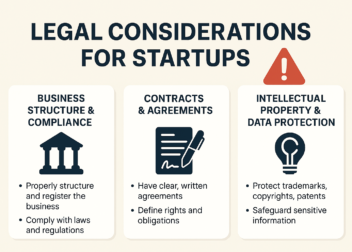
Entrepreneurs often focus on innovation, market strategy, and securing investment when launching a startup. However, overlooking legal structuring can create significant vulnerabilities, which may only become apparent during disputes, due diligence, or intellectual property violations. At Ahlawat Law PC, we understand that legal considerations may seem like an additional expense, but they function as a critical safeguard—similar to insurance. Without proper legal structuring and documentation, startups expose themselves to risks that can threaten their long-term viability. Below, we outline three fundamental legal areas that every startup should prioritize. 1. Business Structure and Regulatory Compliance Selecting the appropriate business structure is essential, as it affects liability, taxation, and access to funding. Entrepreneurs must carefully evaluate whether a sole proprietorship, partnership, or corporation best aligns with their business goals. 📌 Key Considerations: 2. Contracts and Legal Agreements Clear, well-drafted contracts serve as the foundation of any business relationship. Many startups rely on verbal agreements, which can lead to misunderstandings, disputes, or financial loss. Legal documentation is essential to define expectations, allocate risk, and provide remedies in case of non-compliance. 📌 Essential Agreements for Startups: 3. Intellectual Property Protection and Data Privacy Compliance A startup’s intellectual property and data assets are often its most valuable resources. Without adequate legal protections, businesses risk losing control over their brand, innovations, and proprietary technology. 📌 Best Practices for IP and Data Protection: Legal Costs: A Strategic Investment, Not an Expense Startups frequently view legal fees as a cost center rather than a business safeguard. However, failing to address legal risks early can result in costly litigation, lost investment opportunities, and regulatory penalties. Investing in legal protections from the outset ensures operational stability and long-term success. Conclusion A startup’s legal foundation is just as critical as its business model. Entrepreneurs who take a proactive approach to structuring, contracts, and intellectual property protection will be better positioned to scale their businesses while mitigating risks. At Ahlawat Law PC, we assist startups in navigating legal complexities with tailored legal strategies. For guidance on structuring your business or drafting essential agreements, please contact us today. Disclaimer: This article is for informational purposes only and does not constitute legal advice. For personalized legal counsel, consult a qualified lawyer. #OntarioLaw #StartupLegalProtection #BusinessLaw #CorporateLaw #IntellectualProperty #PrivacyLaw #LegalCompliance
